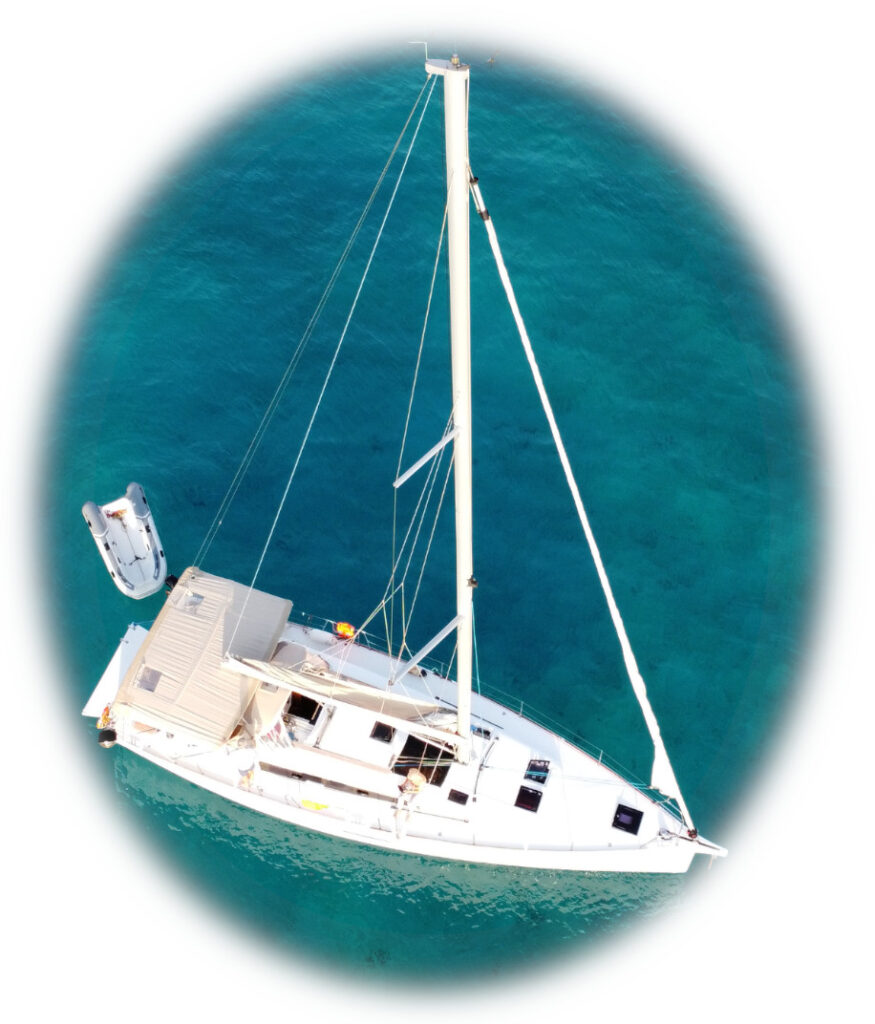
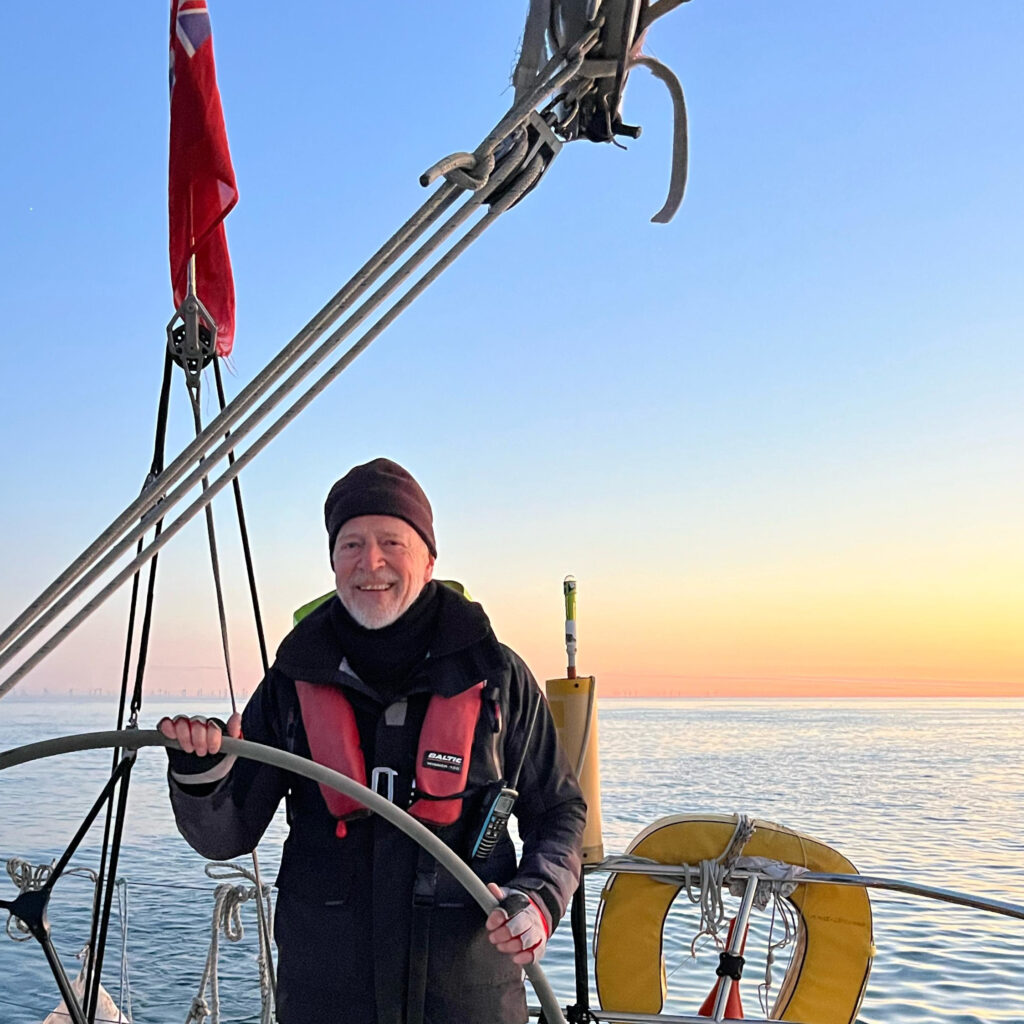
I’m Simon, avid sailor, pilot, and teacher of both. Here I am at the helm of “No Excuses”, a Beneteau 375. I’m nearing the end of taking my Yachtmaster practical exam, and the smile reflects that by this point, I’m relaxing a bit and am fairly confident I’ll pass. The practical exam runs into the night of course, and at this point the sun is just setting. The wind had almost entirely died at this point, and all that’s left is some night navigation exercises. I’ve been navigating aircraft for more than two decades, so that part doesn’t hold much fear for me. Of course, you still have to pay attention, a silly mistake could still cost the exam. Anyway, all went well, and I earned my Yachtmaster Coastal for sail ticket, to which I subsequently added the commercial endorsement.
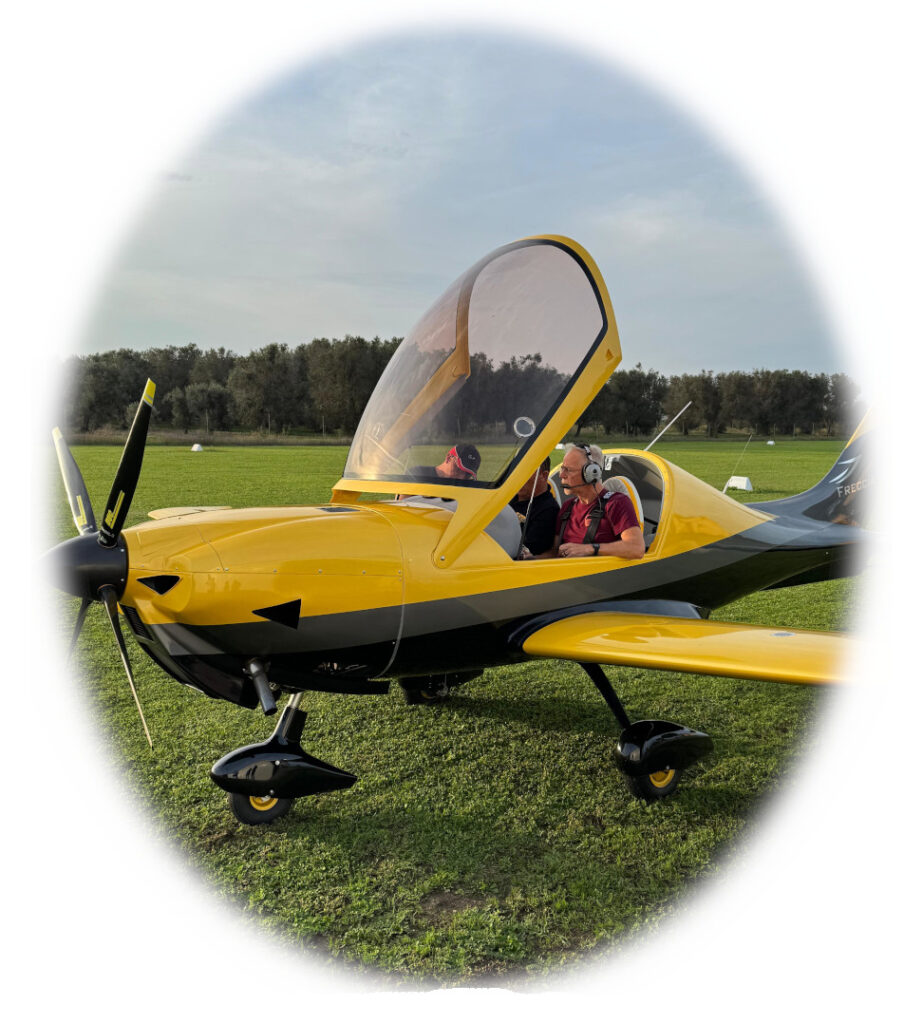
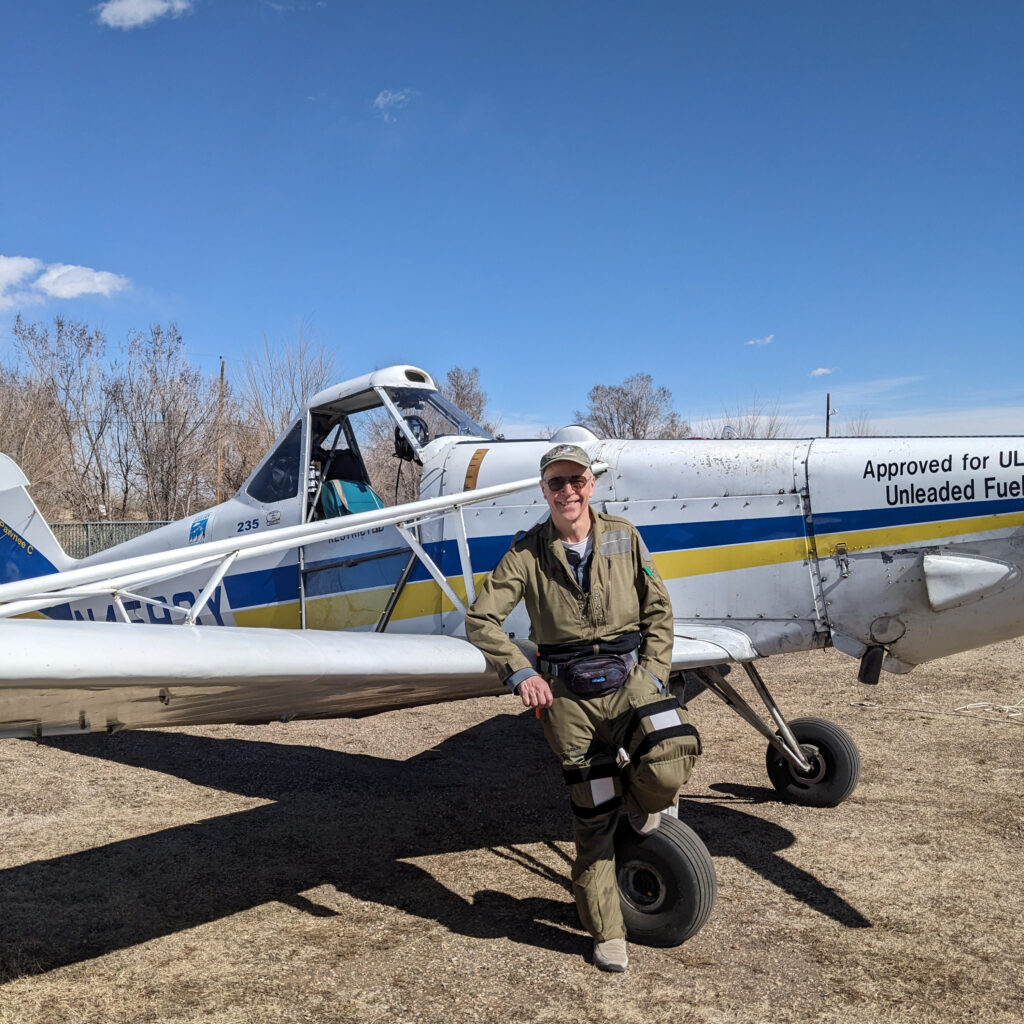
I’ve been flying single engine airplanes (and sometimes gliders) for more than 25 years. I find the most pleasure either flying older aircraft like this venerable Piper Pawnee that’s used for towing gliders, or sharing the experience with a student. I taught in flight schools for a number of years, but although it’s great fun and very rewarding, it’s honestly pretty hard to pay the mortgage that way. Today, I maintain my CFI rating and am available for flight reviews and training in your own aircraft. I’m also available for deliveries if you want an aircraft relocated and don’t want to fly it yourself or simply want someone experienced alongside you.
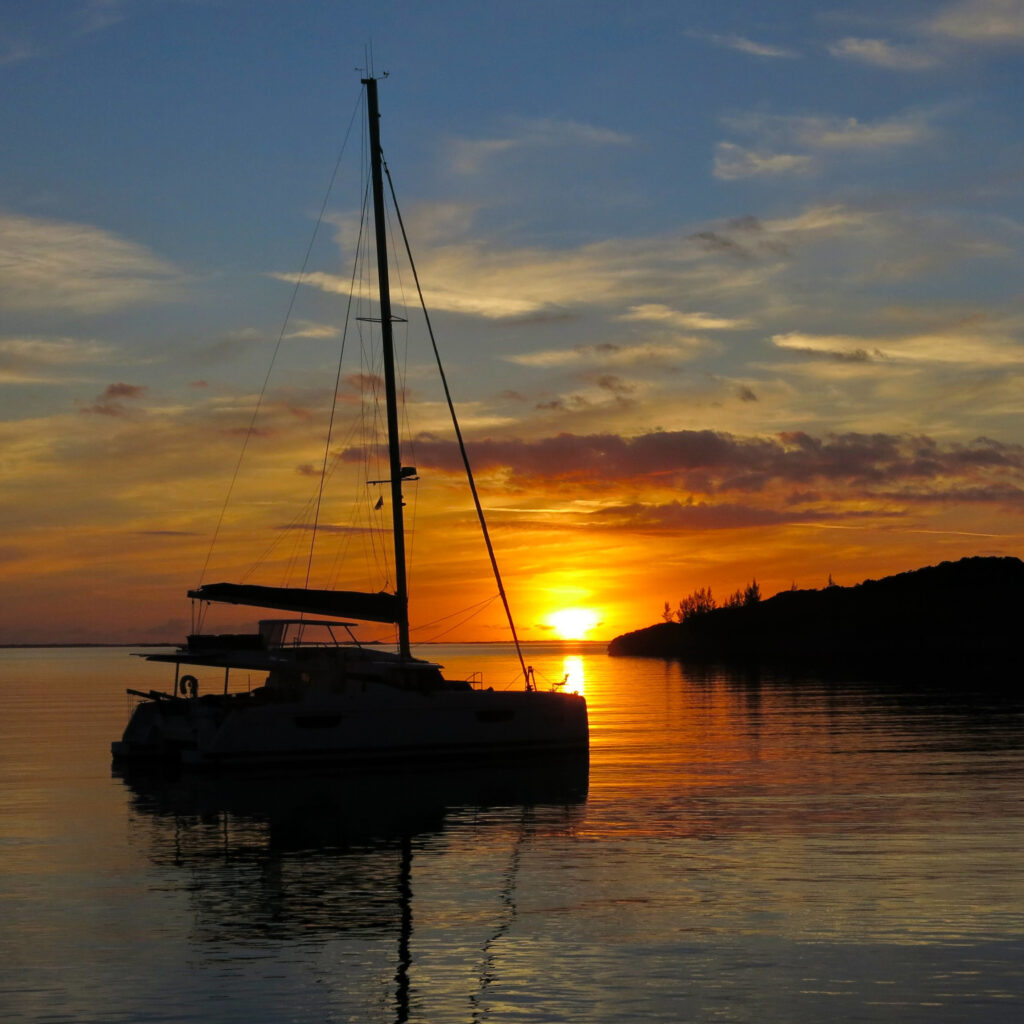
One of the many great joys of sailing for me is exploring beautiful places that are hard to reach by land, and hence are unspoiled and more or less unpopulated except perhaps by wildlife. Sunsets over the ocean have a knack of being particularly spectacular too, and the combination of a special location, good company, and a sunset like this one in the Bahamas combine to make wonderful memories.
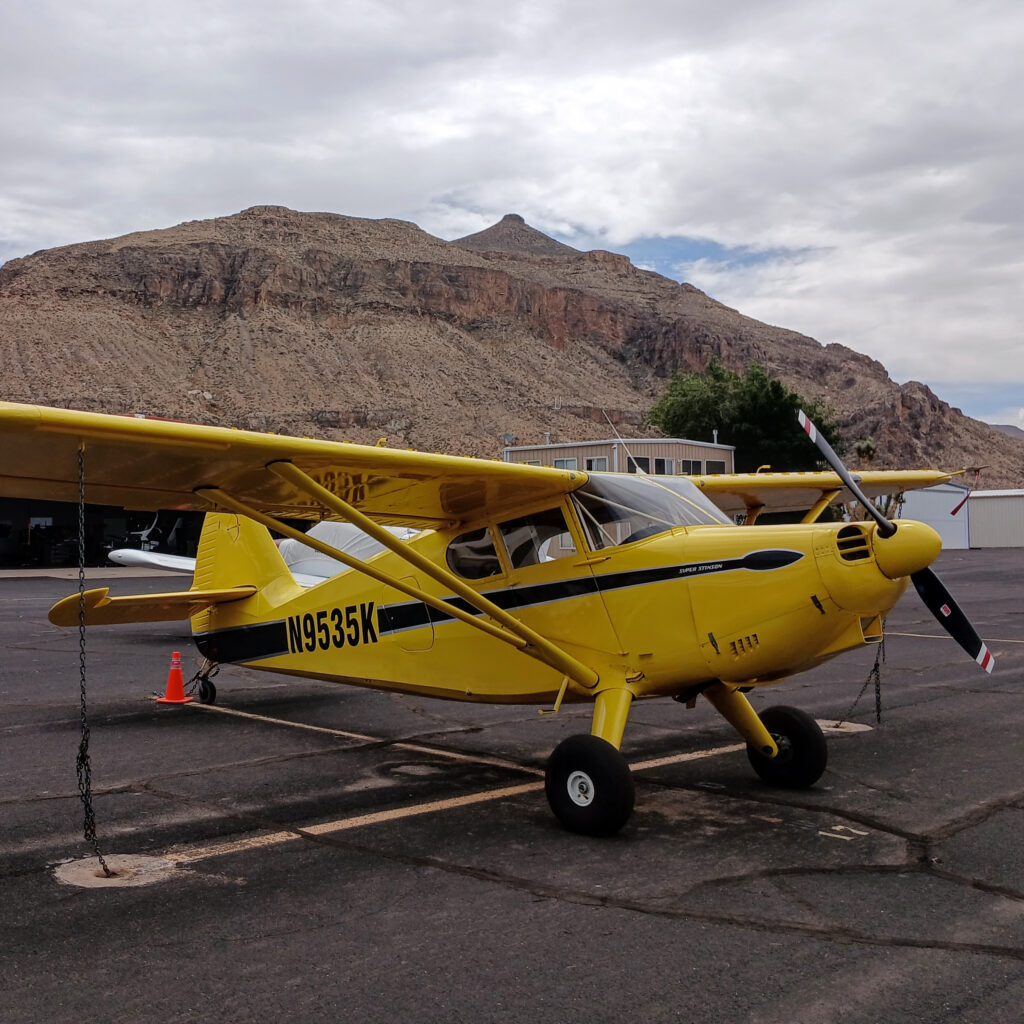
Old aircraft, like this 1947 Stinson 108-2, hold a special appeal. They have history and I was lucky that the previous owner was willing to share a little of her history with me before I flew off to deliver her this beautifully restored bird from Utah to her new home in Colorado. Of course, the trip across Canyonlands and the Rocky Mountains was beautiful.
Mountain flying requires special respect for, and understanding of, the conditions. High altitude robs an airplane of performance in many ways resulting in weak climb performance. If the single engine should give trouble–fortunately extremely rare with modern engines good maintenance–landing options can be hard to come by unless the route is carefully planned. Wind in the mountains goes up, down, and curls around in three dimensions, often making it impossible to keep the airplane at the desired altitude; again, careful planning, particularly with respect to the route and weather, is crucial.
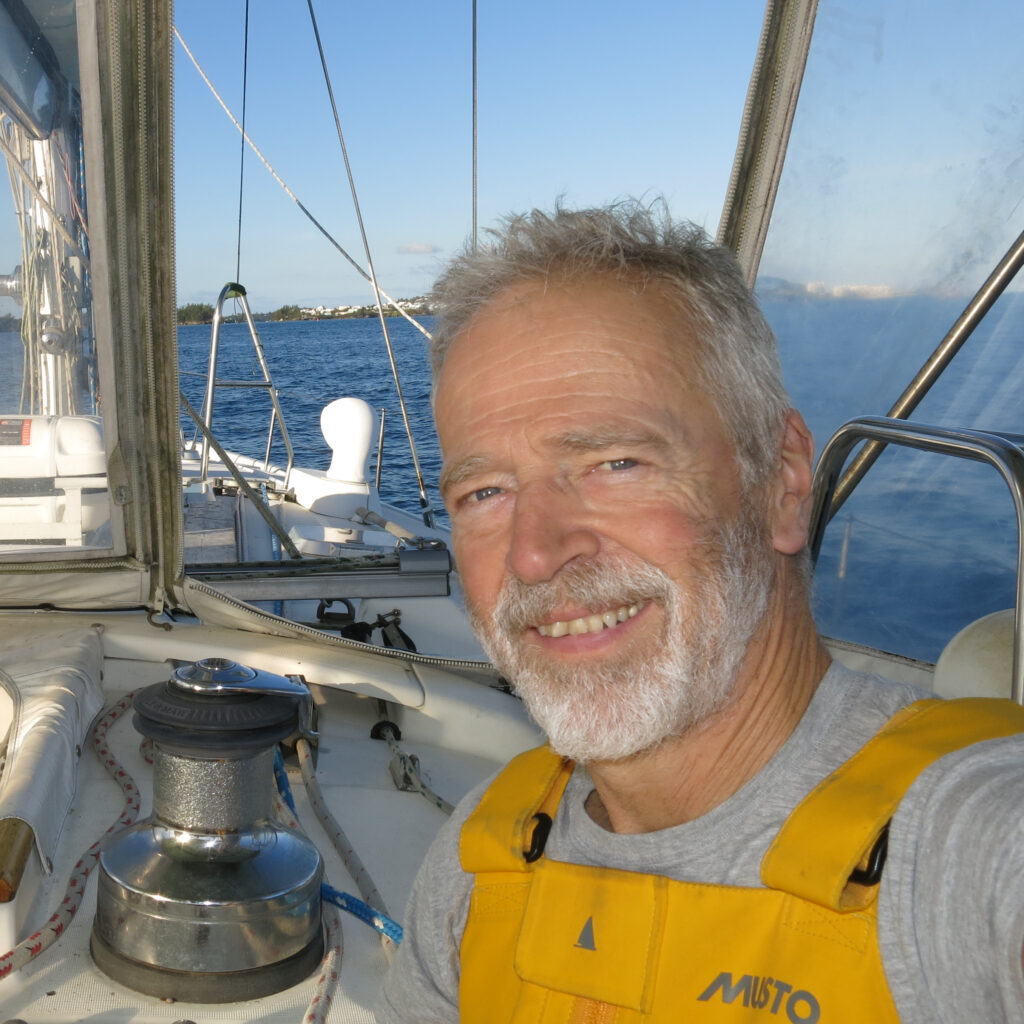
Many north American boat owners enjoy sailing in the Caribbean. Of course, when the hurricane season comes around, it’s time to move to the safety of more northerly latitudes, in fact, most insurance companies insist upon it. Consequently, twice each year, many boats make the trip between north and south. Depending on the speed of the boat this might take a week or two, and that much time with nothing to do but tend to the needs of the boat, eat, sleep, read, and gaze at the stars is not everyone’s idea of entertainment. Because of this, and the need for an experienced and skilled skipper and crew, many owners pay someone else to deliver the boat. Here I’m looking pretty tired as we arrive in St George’s Harbour, Bermuda, for an en-route stop in a 50′ Beneteau. We were running with a ship’s complement of three and I’m tired since we’ve been working a “three on, six off” watch schedule, which means you’re in charge of the boat by yourself for three hours, and then get six hours break in which you eat, sleep, and anything else that needs to be done. That schedule runs continuously until arrival.
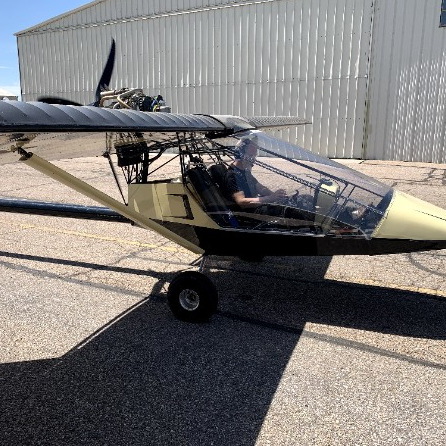
Many of the more interesting new aircraft are actually what’s called colloquially “home-built”. Some are one-off designs, but more are built from kits. This kit-built bird is a “Kolb Mark III Extra”. The new owner bought it from the builder and wanted transition training for it. It’s a fascinating bird to fly, quite noisy, and in the winter in Colorado, can be very cold. But in pleasant weather, and wearing suitable clothing, she’s great fun. Her power to weight ratio is excellent, and she climbs very fast. However, her design is quite draggy and she doesn’t fly particularly fast. But that’s OK; she affords excellent views of the ground, and because she’s fairly slow, the landing roll is very short. The combination means that she’s safe to fly “low and slow” enjoying the unique viewpoint that only an aircraft can give. As is so often the case when two people share the very special experiences afforded by both sailing and flying, the owner and I have since become firm friends too.